
Skin Rejuvenation
Microdermabrasion in San Antonio, TX
Microdermabrasion is a non-invasive treatment that exfoliates the outermost layer of skin with a handheld device. It may suit adults who want to refresh dull skin, smooth rough texture or even out tone, and it starts with a consultation and skin review.
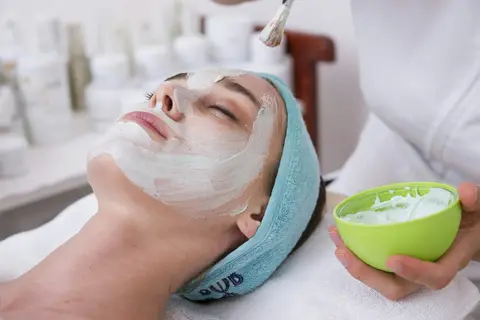
What microdermabrasion is
Microdermabrasion is a non-invasive exfoliating treatment. It uses a handheld device to remove the outermost layer of dead skin cells, which can leave skin looking smoother and brighter.
Some devices use a diamond-tipped head to buff the skin, while others spray fine crystals and vacuum them away along with the loosened cells. Microdermabrasion does not use needles or acids, and it works only on the surface of the skin. Because of that, it is generally a gentle in-office treatment, and it is sometimes paired with other skin treatments as part of a personalized plan.
Concerns commonly treated
Microdermabrasion is commonly used for dull skin, rough or uneven texture, mild uneven tone and sun damage, clogged or enlarged-looking pores, and fine lines. It is most often done on the face, though the neck, chest, back and hands can also be treated.
Because it works on the surface, it is not designed for deep wrinkles, deep scars or sagging skin. Your provider can talk with you about other options for those concerns. Skin type matters too. Your provider considers your tone, sensitivity and any conditions, such as rosacea or active acne, before recommending it.
What an appointment is generally like
Your provider first reviews your health history, skin and the products you use. On the day, your skin is cleansed to remove oil and makeup.
Your provider then passes the device over the area in smooth strokes, exfoliating and vacuuming away loosened skin. It usually feels like light scratching or suction. Your provider adjusts the pressure to suit your skin and takes extra care around delicate areas such as the eyes. Tell your provider if anything feels uncomfortable, so they can adjust. Afterward, a moisturizer and sunscreen are generally applied, and your skin may look pink for a while.
Aftercare in general
Your provider gives you aftercare instructions, and those come first. General guidance often includes washing gently, moisturizing, avoiding scrubs, exfoliating acids and retinoids for a while, and using sunscreen and shade every day.
Hold off on waxing, tanning and other exfoliating treatments until your provider says your skin is ready. Freshly exfoliated skin can be more sensitive to the sun and to skincare products, and mild redness usually fades on its own. Contact your provider if you notice signs of infection, blistering, or irritation that does not settle.
Microdermabrasion
Is it right for me?
Often considered for
- Adults with dull or rough skin
- People with mild uneven tone or sun damage
- Those wanting a gentle exfoliating treatment
- People who prefer a non-invasive option
May not be right for
- Active acne breakouts, rashes or infection in the area
- Active cold sores
- Recent isotretinoin use
- Open wounds or very fragile skin
Your provider decides at your consultation, after reviewing your health history.
What to expect
Consultation
You talk about your skin concerns and routine. Your provider looks at your skin and reviews your health history, medications and skincare products.
Your plan, if appropriate
If microdermabrasion suits your skin, your provider explains the plan and any products to pause beforehand.
Treatment
Your skin is cleansed, then a handheld device is passed over it to exfoliate and gently vacuum away dead skin cells. It usually feels like light scratching or suction.
Follow-up
Your provider checks how your skin responded, reviews your aftercare and talks with you about whether further treatment fits your goals.
Safety and side effects
Redness, mild swelling and a feeling like windburn or a light sunburn are common after microdermabrasion. Skin may also feel dry or tight, and it can be more sensitive to the sun for a while.
Less common effects include small bruises from suction, irritation, breakouts and changes in skin color, especially in deeper skin tones. Your provider reviews risks, benefits and alternatives with you.
FAQ
Questions, answered.
Your provider will answer anything else at your consultation.
How much does it cost?
Cost depends on the plan your provider recommends, including whether microdermabrasion is paired with other skin treatments. You can ask for pricing at your consultation and take time to decide. Your provider can also explain what any follow-up visits involve, so you understand the full plan before you book a treatment.
Am I a candidate?
You may be a candidate if you are an adult with concerns such as dull skin, rough texture, mild uneven tone or clogged pores. Active breakouts, cold sores, infection, open wounds and recent isotretinoin use can mean waiting or choosing another option. Your provider decides at your consultation, after reviewing your skin, health history and goals.
How is microdermabrasion different from a chemical peel?
Microdermabrasion exfoliates mechanically, using a device to buff away the outermost layer of skin. A chemical peel uses an acid solution instead, and peels range from light to deep. Microdermabrasion works only on the surface of the skin. Your provider can explain which approach, if either, fits your skin type, concerns and goals.
Does microdermabrasion hurt?
Microdermabrasion usually feels like light scratching or a gentle vacuum on the skin, and numbing is not usually needed. Some areas can feel more sensitive than others. Tell your provider if anything feels uncomfortable during treatment, so they can adjust the pressure or pace. Mild redness and a warm feeling afterward are common.
Can I have microdermabrasion while pregnant or breastfeeding?
Tell your provider if you are pregnant or breastfeeding before you book. Microdermabrasion does not use medicines, but pregnancy can make skin more sensitive and more prone to dark patches. Your provider can decide whether, and how, to treat your skin during this time, and may suggest waiting if that seems wiser for you.
Should I mention my skincare products and medications?
Yes. Tell your provider about every medication and skincare product you use. Retinoids, exfoliating acids and some acne medicines can make skin more sensitive, and recent isotretinoin use is especially important to mention. Your provider tells you which products to pause before treatment and when it is fine to restart them.
Related treatments
Locations
Six offices across South Texas
Not every office offers every treatment. Call the office you would like to visit to confirm before you book.
- San Antonio area
Stone Oak
20627 Huebner Rd, Suite 101
San Antonio, TX 78258(210) 526-4633 (Stone Oak) - San Antonio area
Dominion
22211 W Interstate 10
San Antonio, TX 78257(210) 783-7333 (Dominion) - San Antonio area
Quarry Market
255 E Basse Rd, Suite 1505
San Antonio, TX 78209(210) 866-3131 (Quarry Market) - San Antonio area
Live Oak
8000 Pat Booker Rd, Suite 104
Live Oak, TX 78233(210) 940-1001 (Live Oak) - Seguin
Seguin
315 N Austin St
Seguin, TX 78155(830) 549-5005 (Seguin) - Corpus Christi
Corpus Christi
5702 S Staples St, Suite E1
Corpus Christi, TX 78413(361) 225-3457 (Corpus Christi)
Your next step
Ready to evolve?
Choose the office closest to you and book a consultation.